












“Actualmente me encanta mi trabajo y quiero marcar una diferencia positiva. Vi que no siempre trataban bien a mis padres y quiero asegurarme de que en el futuro no ocurran esas cosas”.
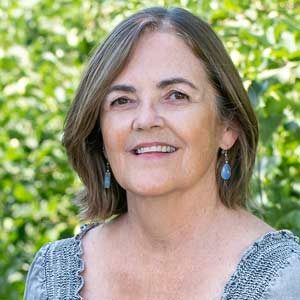
Durante la Reunión Anual de 2024 de la Asociación de Árboles Frutales del Estado de Washington, celebrada en Yakima, conversamos con Apolinar, quien en ese momento trabajaba en el departamento de recursos humanos de una destacada empresa frutícola. Además, participaba activamente en el Programa de Educación para Empleados Hispanos de Huertos, ofrecido por Wenatchee Valley College.
Apolinar reside en East Wenatchee, Washington.
Scroll down to read in English
Conociendo a Apolinar Blanco
Apolinar Blanco, hijo de Apolinar y Margarita Blanco, se crio en Chelan, Washington, rodeado por el paisaje agrícola del centro del estado. Estudió en Wenatchee Valley College, donde obtuvo dos títulos de Asociado en Ciencias Técnicas: uno en sostenibilidad y agricultura orgánica, y otro en horticultura y producción de árboles frutales. Conocido cariñosamente como “Apol” entre sus amigos, actualmente vive en East Wenatchee con su esposo Cory. Se desempeña como gerente de sostenibilidad y responsabilidad social de Chelan Fresh.
¿Cómo te iniciaste en la agricultura y cuál es tu función actual en el sector?
De niño, mis padres siempre nos inculcaron a mis hermanos y a mí la importancia de cultivar nuestros propios alimentos. Sin embargo, no descubrí mi verdadera pasión por la agricultura hasta que me uní a la Organización Nacional FFA durante la preparatoria. En mi último año, fui elegido presidente estatal de la FFA, lo que me permitió conocer distintos aspectos de la industria agrícola en todo el estado, mientras mi interés y compromiso con el sector se profundizaban. Con el paso de tiempo, he comprendido que mi vocación está en la industria de los árboles frutales.
Como gerente de sostenibilidad y responsabilidad social en Chelan Fresh, lidero y coordino nuestros esfuerzos para operar de manera ambientalmente sostenible, socialmente responsable y económicamente viable. Mi función principal consiste en garantizar que nuestras operaciones respalden el bienestar de los trabajadores, fomentar prácticas laborales éticas y fortalecer la participación comunitaria. Además, trabajo en estrecha colaboración con nuestros productores, socios y equipos internos para desarrollar e implementar iniciativas que reduzcan nuestra huella ambiental, como la conservación del agua, la salud del suelo, la eficiencia energética y el envasado sostenible.
¿Cómo ve la evolución de la industria?
He estado pensando durante años sobre esta pregunta. Creo que el sector de la fruta de árbol evolucionará hacia una producción tecnológicamente mejorada, con un enfoque ecológico y socialmente responsable. La evolución se enfocará en áreas clave como la agricultura regenerativa, la innovación sostenible, la automatización inteligente, la resiliencia frente al cambio climático, la diversificación del mercado y el liderazgo ético.
¿Es suficiente desarrollar tecnología más sofisticada para abordar los desafíos que enfrenta la industria agrícola?
La industria está acelerando la adopción de prácticas como la agricultura regenerativa, la inteligencia artificial y la robótica en el campo. También se está diversificando en los mercados para compensar los desafíos laborales y comerciales, e invirtiendo en soluciones genéticas y agroecológicas para afrontar la volatilidad climática.
Sin embargo, creo firmemente que también debemos ser líderes en ética: defender la seguridad de los trabajadores, garantizar la equidad en los beneficios y promover la transparencia en la cadena de suministro.
“I love my job right now and want to make a positive difference. I saw that my parents weren’t always treated well, and I want to make sure that kind of thing doesn’t happen in the future.”
We met Apolinar at the 2024 Washington State Tree Fruit Association Annual Meeting in Yakima, Washington, when he was working in human resources for a large fruit company and also enrolled in the Hispanic Orchard Employee Education Program at Wenatchee Valley College.
Apolinar lives in East Wenatchee, Washington.
Getting to know Apolinar Blanco
Apolinar Blanco, son of Apolinar and Margarita Blanco, was raised in Chelan, Washington. He has earned two Associate of Technical Science degrees from Wenatchee Valley College: one in sustainability and organic agriculture, the other in horticulture and tree fruit production. Known by his friends as “Apol,” this native of Central Washington currently lives in East Wenatchee with husband Cory and is the sustainability and social responsibility manager for Chelan Fresh.
How did you get your start in agriculture and what is your role in the industry now?
As a kid, my parents always taught my siblings and me the importance of growing and raising our own food. However, I didn’t realize I truly had a passion for agriculture until I joined the National FFA Organization in high school. In my senior year, I was elected FFA State President and was able to see different aspects of the agricultural industry around the state as my knowledge and passion for agriculture deepened. Throughout the years, I have come to realize that the tree fruit industry is where I was meant to be.
As the sustainability and social responsibility manager at Chelan Fresh, I’m responsible for leading and coordinating our efforts to operate in an environmentally sustainable, socially responsible and economically viable way. My role involves ensuring our operations support worker well-being, ethical labor practices and community engagement. I also work closely with our growers, partners and internal teams to develop and implement initiatives that reduce our environmental footprint, such as water conservation, soil health, energy efficiency and sustainable packaging.
How do you see the industry changing?
This question is one that I have been thinking about a lot over the years. I see the tree fruit industry evolving toward technology-enhanced, eco-conscious and socially responsive production. Putting emphasis on areas like regenerative ag, sustainable innovation, smart automation, climate resilience, market diversification and ethical leadership.
Is better technology enough to address the challenges faced by the ag industry?
The industry is accelerating adoption of regenerative ag, AI and robotics in the field, diversifying across markets to offset labor and trade challenges, and investing in genetic and agroecological solutions to navigate climate volatility.
Yet, I truly believe that we must also lead on ethics — championing worker safety, equitable benefits and supply chain transparency.