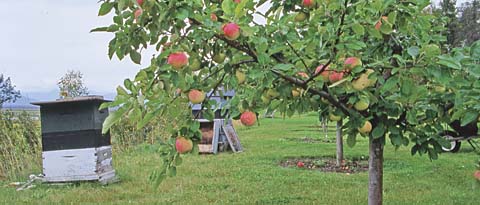






[fusion_builder_container hundred_percent=”yes” overflow=”visible”][fusion_builder_row][fusion_builder_column type=”1_1″ background_position=”left top” background_color=”” border_size=”” border_color=”” border_style=”solid” spacing=”yes” background_image=”” background_repeat=”no-repeat” padding=”” margin_top=”0px” margin_bottom=”0px” class=”” id=”” animation_type=”” animation_speed=”0.3″ animation_direction=”left” hide_on_mobile=”no” center_content=”no” min_height=”none”] With goals of minimizing spray drift and maximizing spray coverage, an Oregon State University scientist is looking at a variety of spray and nozzle technologies, as well as application techniques. Drift from chemical sprays is generally thought of as an environmental problem, but it’s also an economical one. Sprays are expensive-growers don’t want to waste unnecessary material that doesn’t reach the intended target. Dr. Nagarajan Ramalingam, biosystems and agricultural engineer at OSU’s Mid-Columbia Agricultural Research […]
Already part of our community? Log in here
Our premium content is now only available to members.
Join our community and receive access to our exclusive stories, photos, graphics and videos, and support our efforts to ensure growers have the information they need for success.