


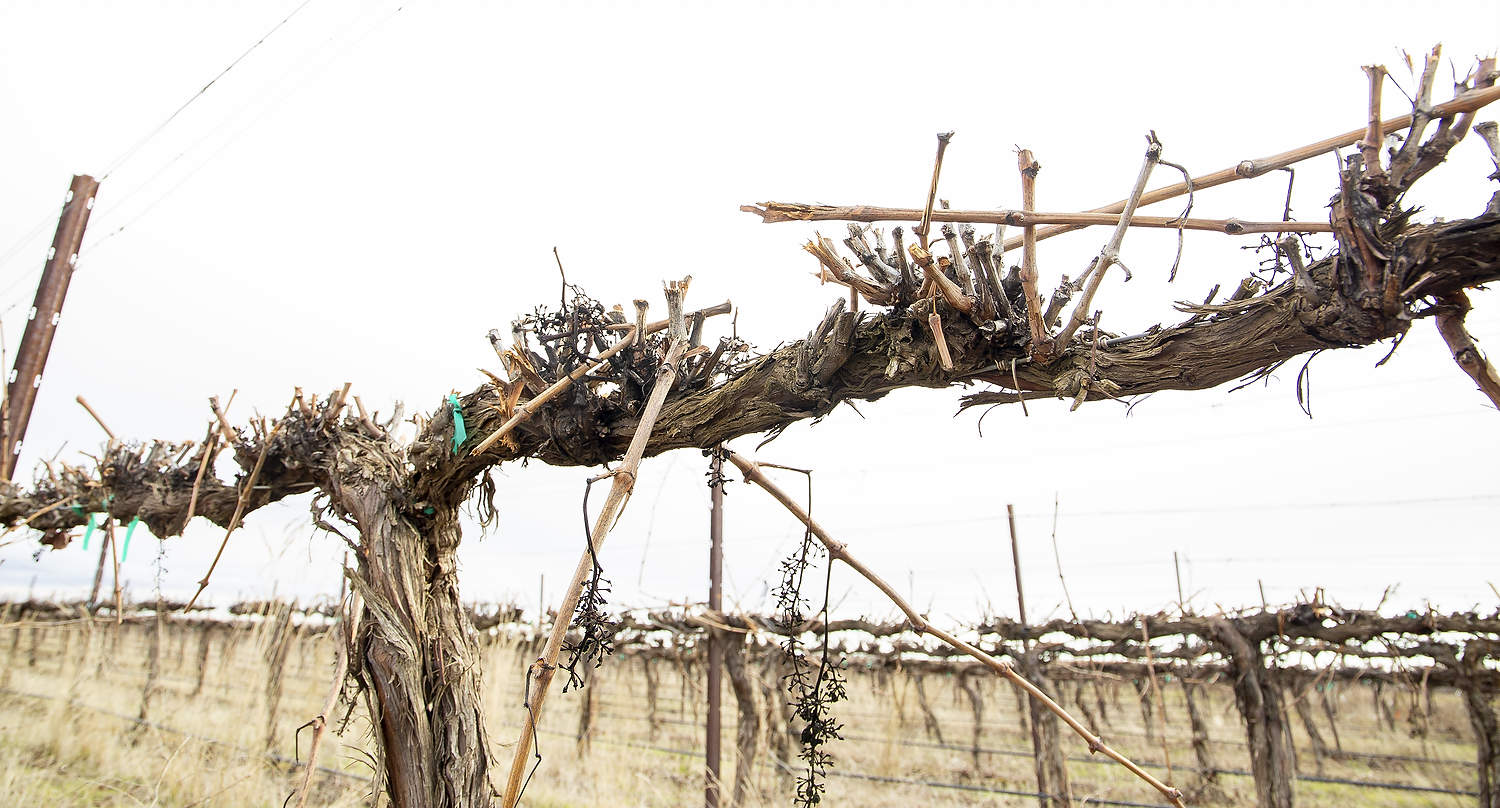


Florida and the rest of the U.S. Southeast have experienced several cold and freeze events between late December and early February, causing damage to farms and agricultural operations. The extent of the damage is still being evaluated.
In Florida and Georgia, blueberry growers were facing an unprecedented cold snap in early February. According to blueberry cooperative MBG Marketing, growers are utilizing freeze protection techniques and other cold-weather procedures to preserve their blueberry plants.
In response to the recent cold-weather events impacting blueberry production, the Florida Blueberry Growers Association, in partnership with the University of Florida, will host a grower webinar from 9 to 11 a.m. Eastern time on Feb. 10. To join the webinar, go to: floridablueberrygrowers.org-grower-webinar-on-post-storm-recovery.
The webinar will provide updates and guidance for growers as they assess crop damage, manage post-freeze disease concerns and prepare for potential federal and state assistance programs, according to the association.
UF researchers Phil Harmon, Doug Phillips and Jeff Williamson wrote an article about disease concerns on cold-injured blueberries. To read the article, go to: Disease Concerns on Cold-Injured Blueberries in Florida.
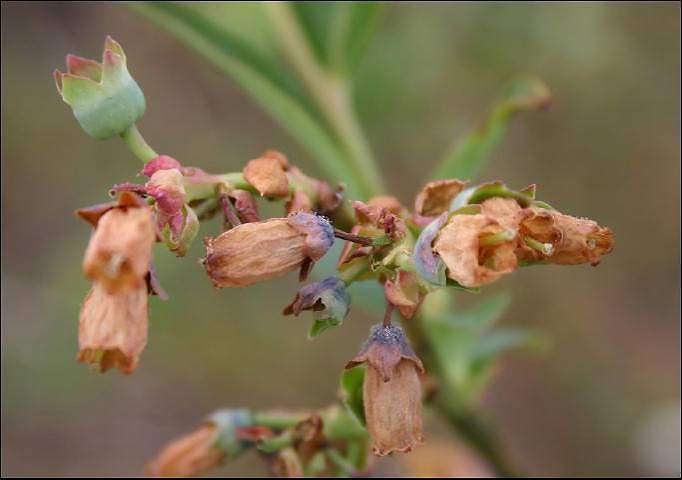
The most immediate threat to the remaining crop will be botrytis blossom blight and gray mold caused by the fungus Botrytis cinerea. Damaged blueberry buds and floral tissues are more susceptible to infection after low-temperature injury. Infections lay dormant until berries begin to ripen, then the fungi cause gray mold in the field and also in storage, according to the research article.
Fungicides can help prevent widespread outbreaks of blossom blight. The researchers suggested Captan (captan) and Elevate (fenhexamid). Target applications as soon as possible after the threat of freeze expires, and particularly when wet, humid weather — at least 60 degrees Fahrenheit — is predicted. These applications should precede and be in addition to the normal preharvest spray routine, which should be resumed after crop loss assessments are made, according to the article. •
