

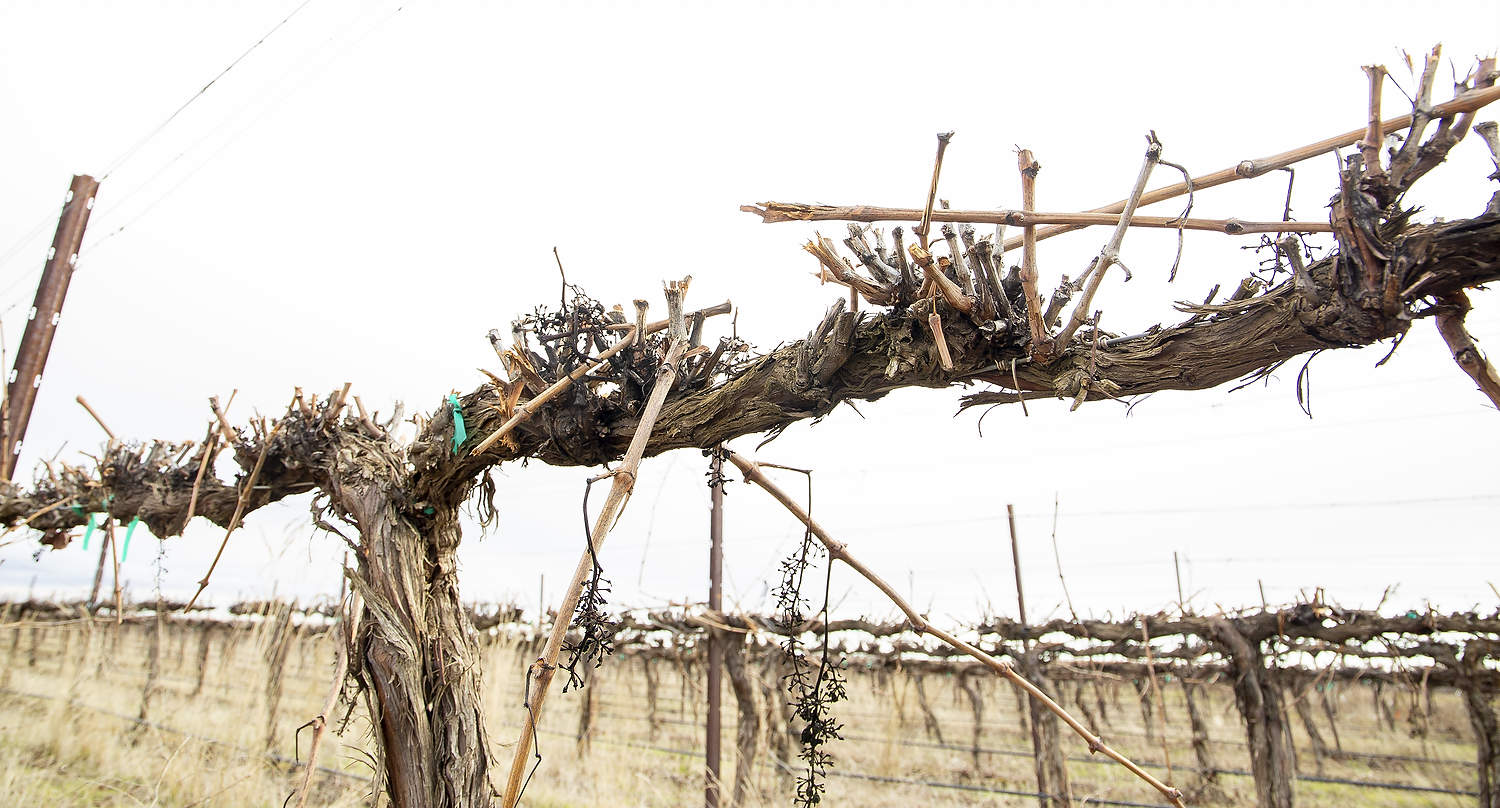


Cherry growers in Okanogan County, Washington’s northernmost growing region, should be in the peak of harvest. Instead, many orchards are fruitless following freeze damage in April.
The stone fruit crop loss — on the heels of a low-returning harvest last season — has put growers into a dire economic situation, said Alma Torres-Jones, the president of the Okanogan County Horticultural Association.
“In my own two blocks, we had 100 percent loss on the cherries; the majority of people have over 80 percent loss,” she said.
Grower Rick DeLap said he has worked 45 frost seasons and has never seen damage like his orchards sustained in the wee hours of April 16.
“I have nine wind machines, but it was 7 or 8 degrees below critical, so you were just pushing cold air,” he said. After a light winter, the flowers were developing early and were highly sensitive to the cold that hit. “This is the first time I ever lost the crop during bloom.”
Torres-Jones, DeLap and others urged the county commissioners to declare the season a disaster and request emergency state and federal assistance, which they did in late May. A disaster designation from the U.S. Department of Agriculture can give growers access to low-interest emergency loans and assistance programs.
“The problem is, we’ve had such poor markets, some poor growing situations, and people just can’t recover,” said Okanogan County Commissioner Andy Hover. “You’re shelling out money, probably on credit, that you’ll never be able to pay back unless we can get some economic assistance.”
He said the county leaders have been in communication with Gov. Bob Ferguson and leaders at the USDA’s Farm Service Agency about the issue and on moving forward to request assistance. It’s a priority, because the crop loss impacts the economic outlook of the rural county.
“Everything is affected because there are less jobs, our sales tax base is declining,” Hover said. “In a county with 44,000 people, a very low median income and agriculture being a big deal, it hits hard.”
For a disaster designation to be approved, the crop loss must be over a 30 percent threshold determined by the Farm Service Agency, or FSA. Torres-Jones said that while they’ve cleared that threshold for cherries, it’s not clear if the FSA has enough information to also include pears and apples in the designation, and the 90-day deadline set by the agency is approaching next week.
Both apples and pears have suffered significant losses as well, she said, adding that most of the remaining pear crop is marked by frost ring and is unmarketable.
It’s been difficult to navigate how to report the crop loss information to the FSA, Torres-Jones said, but she’s urging Okanogan County growers to email loss estimates to the agency and to political representatives to draw attention to the issue this week.
“We need to light a fire under this and make sure the national office accepts it,” she said. “If this doesn’t go through, people are going to go bankrupt.”
The cherry crop loss is apparent in the crop forecasts issued by Northwest Cherries, which promotes cherries in the domestic and export markets. The start of this year’s season came in earlier than normal, but the second half is expected to drop off the five-year average, primarily due to freeze damage, said Karley Lange, domestic promotions director. (Northwest Cherries and Good Fruit Grower both operate under the direction of the Washington State Fruit Commission.)
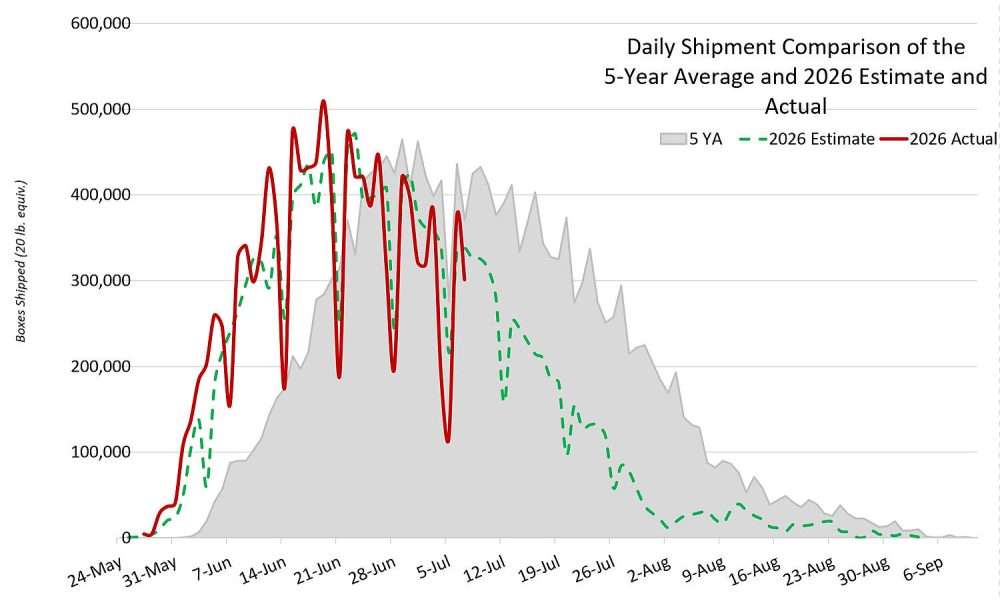
The loss, on the heels of poor returns, has a snowball effect, DeLap said. Yes, he has crop insurance on his cherries and apples, but processing claims takes time, and as farmers’ incomes go down in previous seasons, so does the payout from whole-farm crop insurance policies.
“People don’t have the money to take care of their orchards, so you get pest problems,” he said. “I’m starting to see it now; you just can’t take care of things like you know you should. We could use more help, but we can’t afford it.”
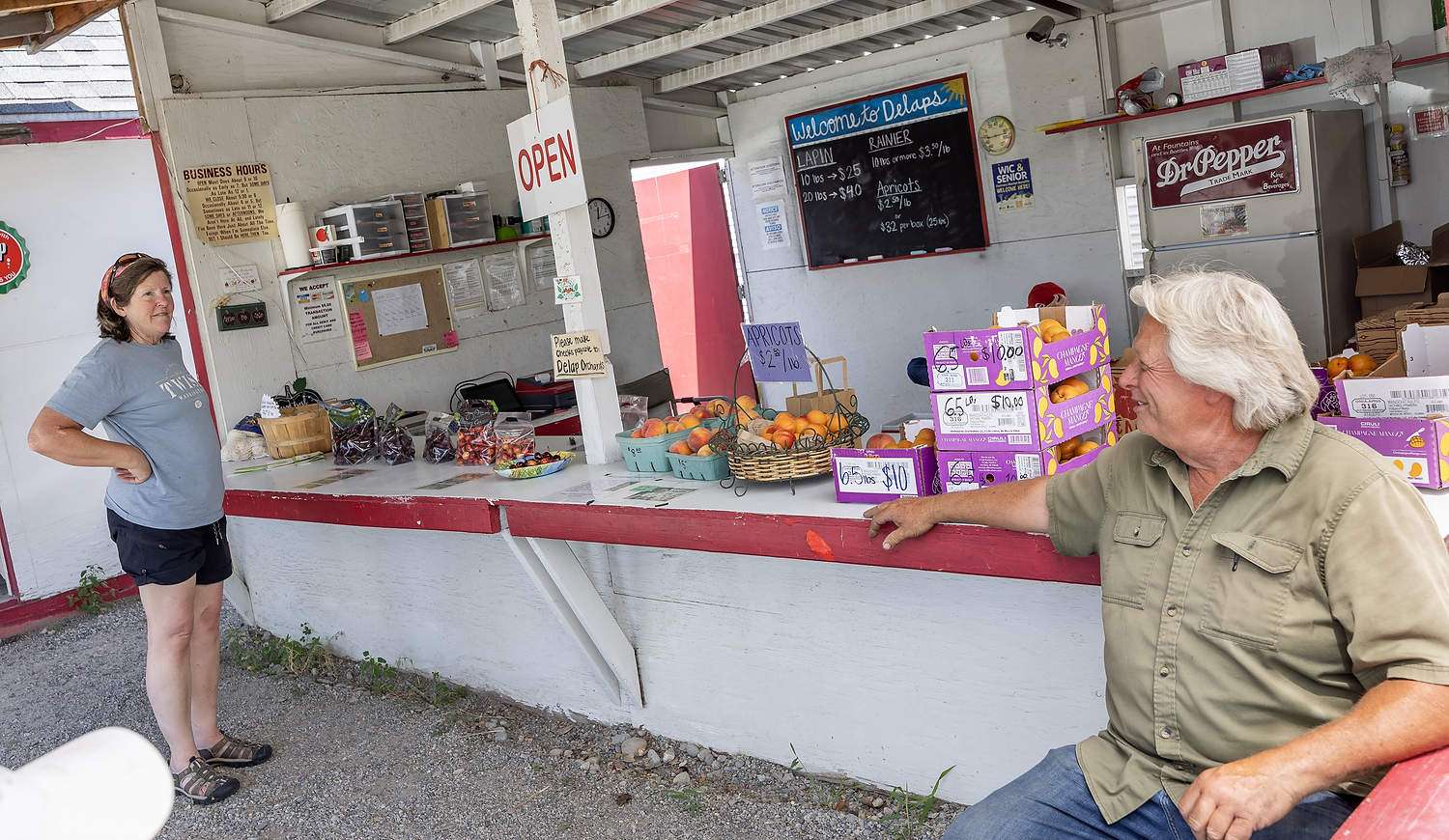
DeLap still opened his fruit stand. He lost his apricots and pluots, and he sustained some damage to his apples, but in late June he estimated he had about 10 percent of a normal cherry crop — ripening far earlier than usual — and customers eager to buy them.
The community has been supportive, he said.
“Everybody that’s come into the fruit stand are pretty aware of what happened,” he said. “They’ll have a backyard tree and tell me that they don’t have a single peach. We have frost protection, and we still have a problem.” •