



As Chad and Jeana Steiner make their way through first-generation farm ownership, they’ve grown comfortable with incongruent truths and changing mindsets.
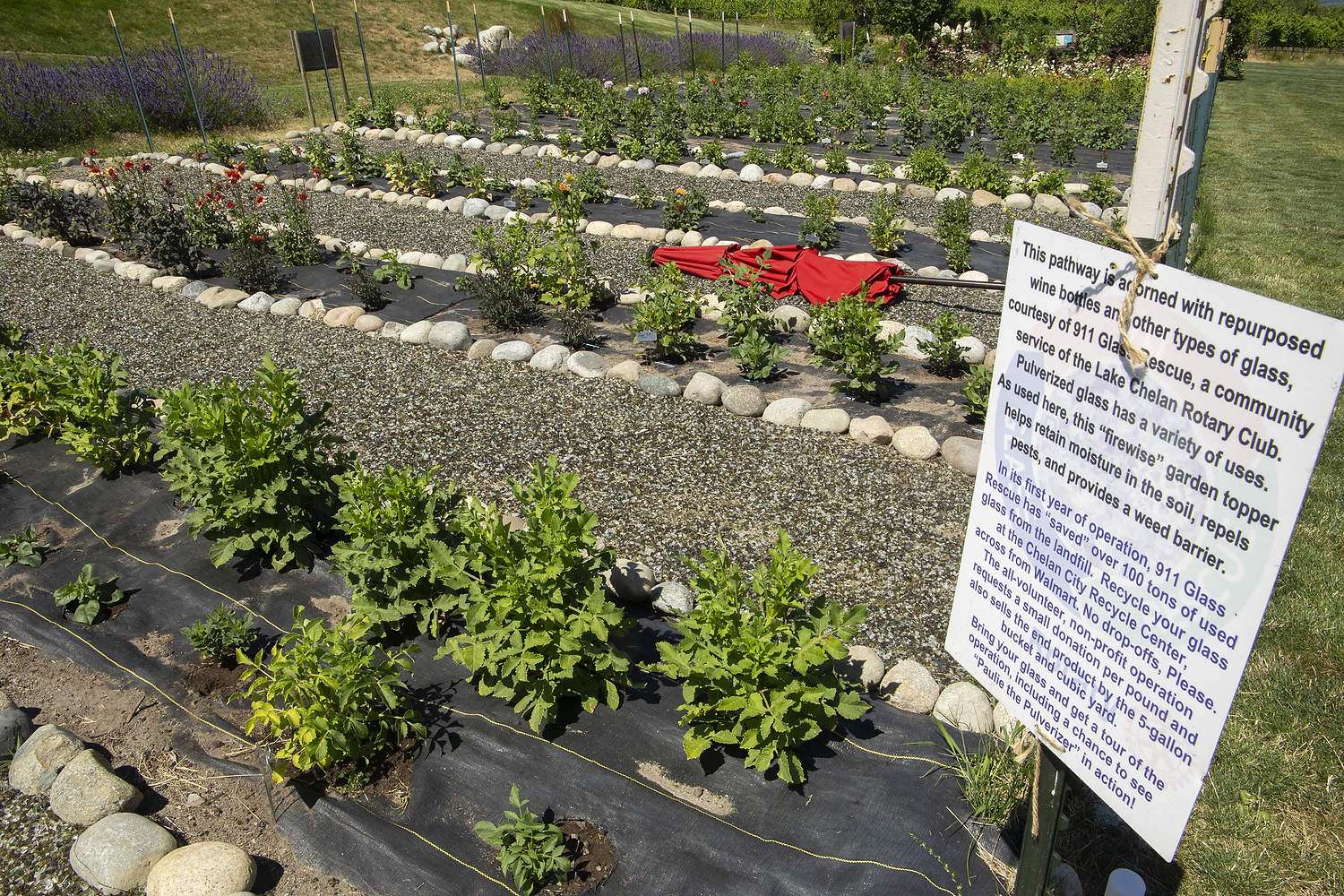
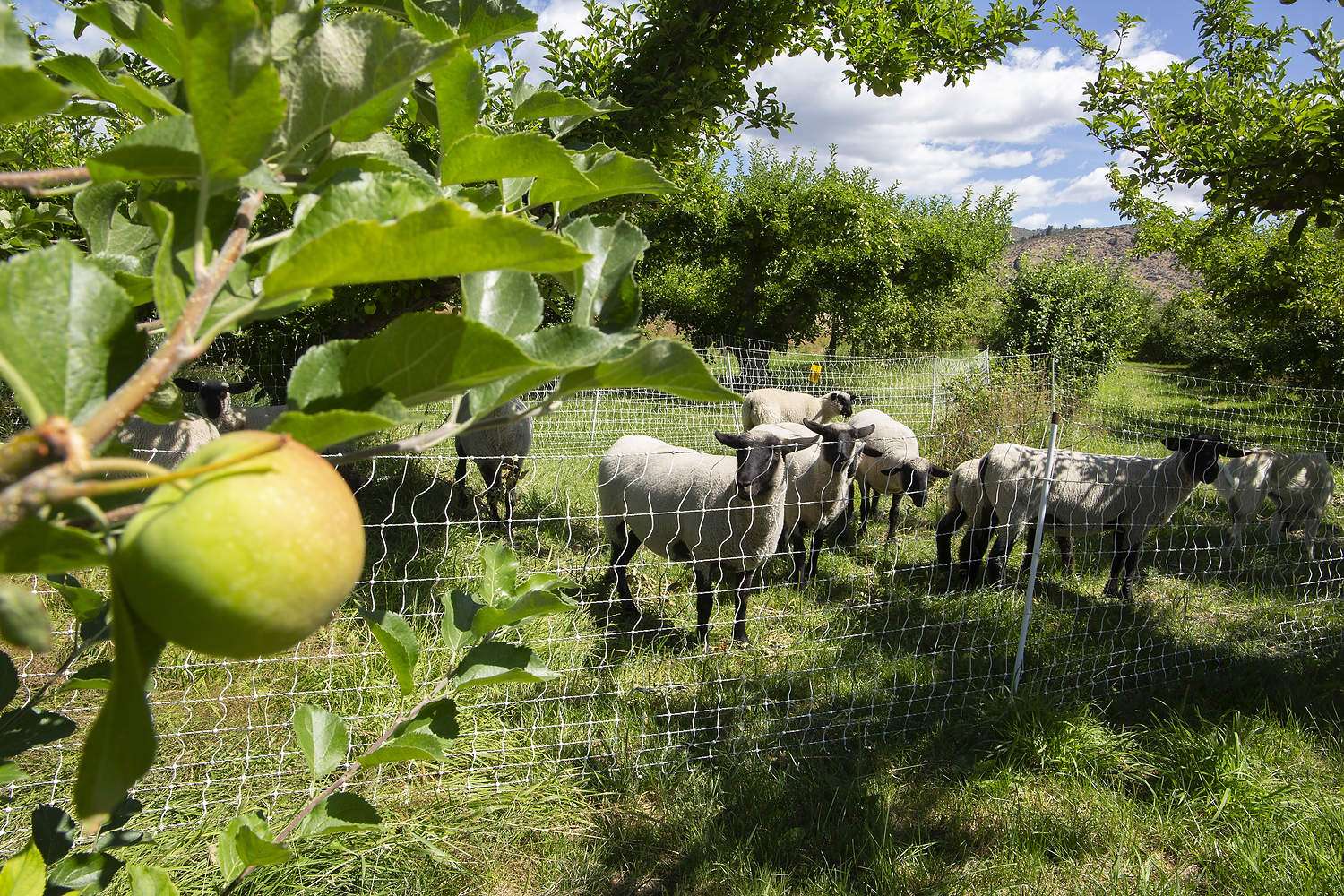
They love production farming on their Manson, Washington, property, but their winery and agritourism drive the farm’s finances. They rotationally graze sheep for weed control in their orchards, but only in certain blocks because of food safety regulations. They favor organic and regenerative practices, but they went conventional this year on codling moth control in their apples.
“Sometimes good intentions don’t work,” Chad said.
Fortunately, they said, their goals don’t stop at any one aspect of owning land that is part working farm, part resort and part educational retreat in the tourist hot spot of Lake Chelan in North Central Washington.
“It’s just evolved over time,” Jeana said.
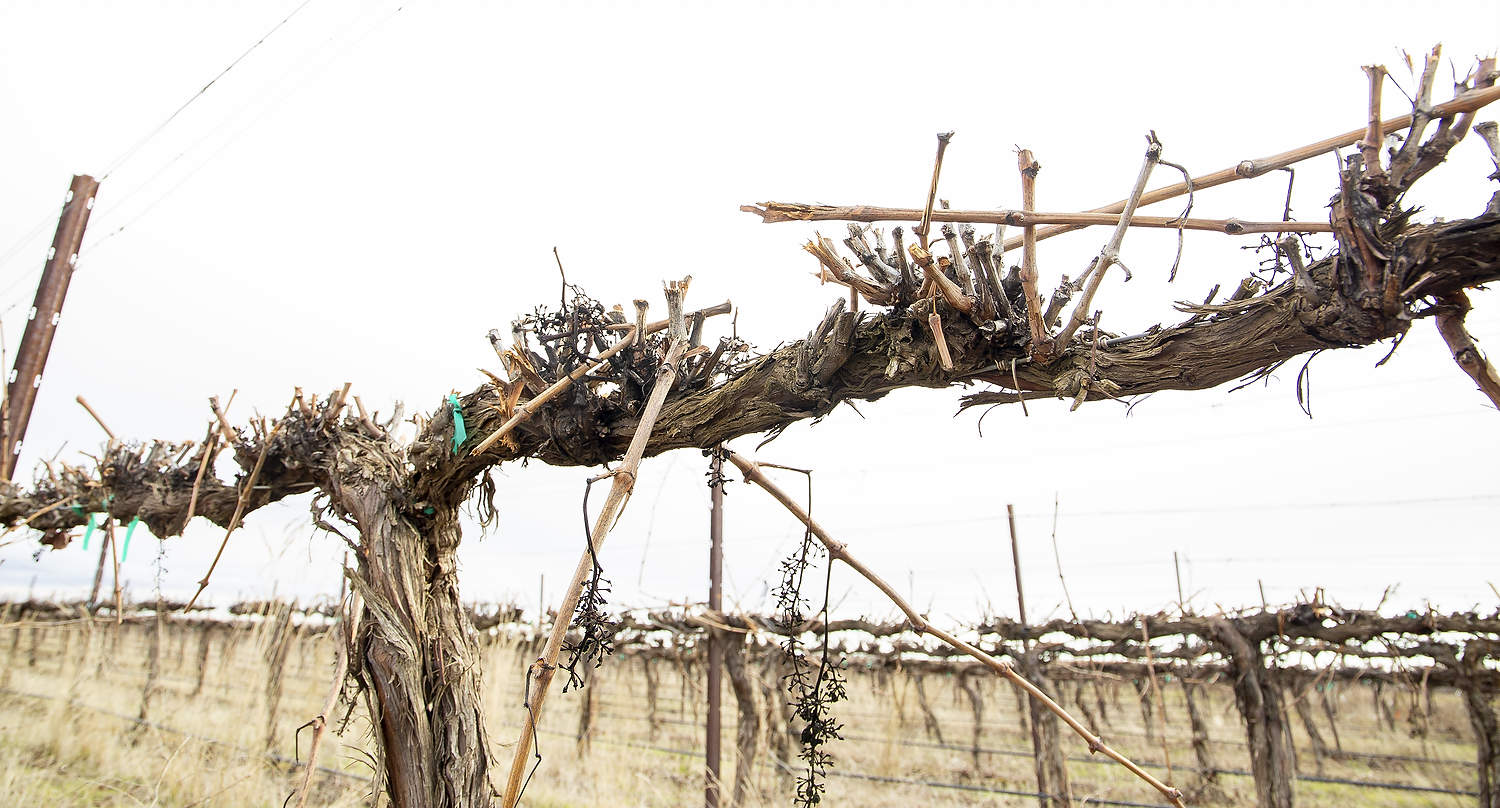
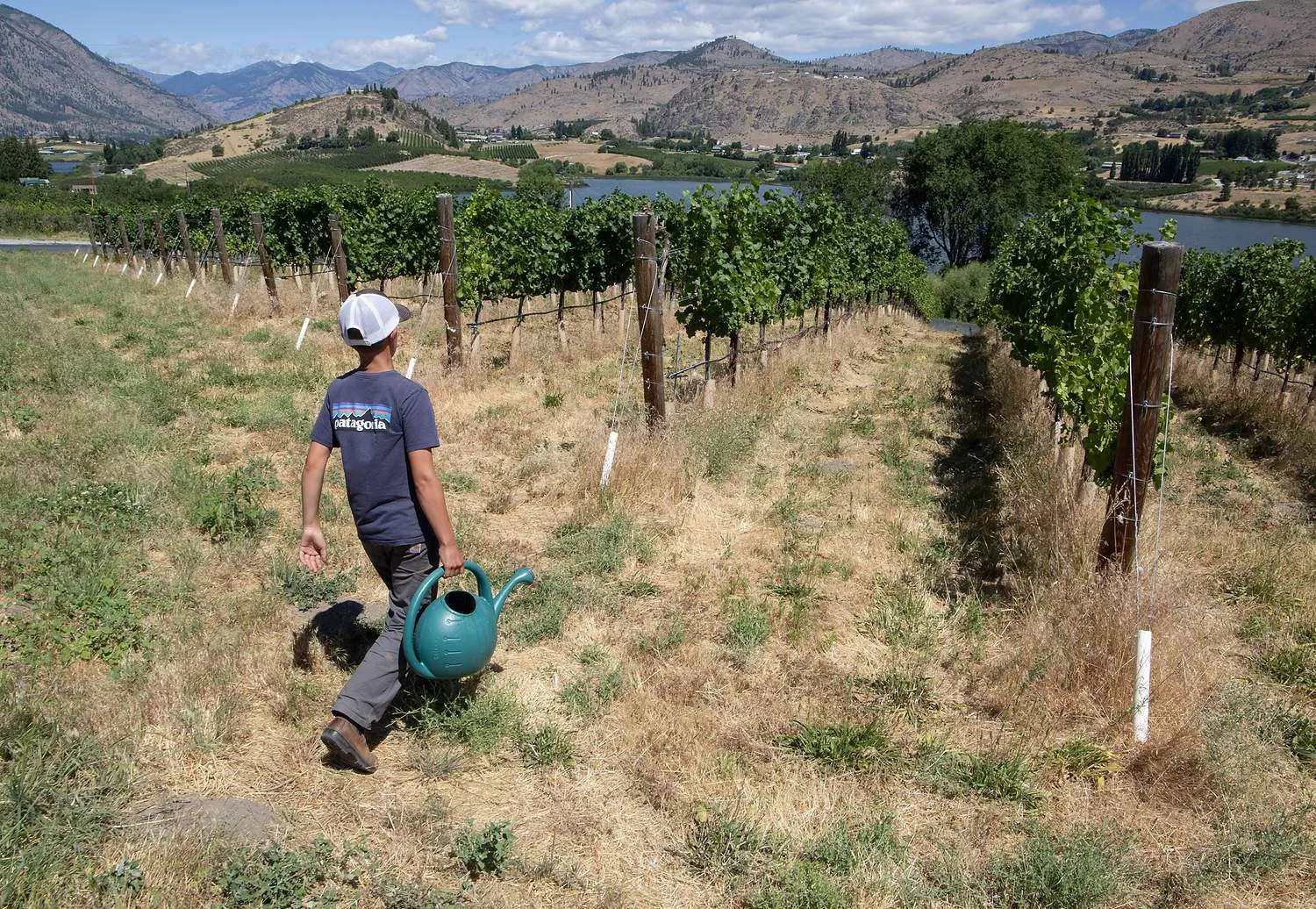
The financial backbone of their farm, Chelan Valley Farms, is their winery, LagriŌth, which bottles estate Pinot Noir, Chardonnay and Sauvignon Blanc. At a time when many wineries are struggling, theirs is growing. Their vineyard earned its organic certification this year and has also been certified by Salmon-Safe and Sustainable WA.
Like most of Washington’s wineries, LagriŌth sells only direct-to-consumer. No distributors, retail stores or restaurants. According to figures shared by wine analyst Danny Brager at an industry conference in February, that direct-to-consumer segment of Washington’s industry grew 78 percent from 2017 to 2023. It then dipped by 12 percent over the past two years due to the same declining demand affecting the overall American wine industry.
Small wineries across Washington are seeking ways to attract customers by pitching their businesses as “experiences” or “destinations.” Shakespeare in the vineyard, yoga classes and, of course, concerts are among the examples.
Those business models are a hot topic in the industry, said Kristina Kelley, executive director of the Washington State Wine Commission. The Wine Market Council, of which she is a board member, plans to start an economic study later this year about different direct-to-consumer tactics.
“Gone are the days where you’re just going to go in and have a taste,” she said.
Farm aspirations
Chad and Jeana, middle school friends from Sumner, Washington, west of the Cascades, had no family background in farming except showing lambs at the Washington State Fair. At Washington State University, Chad studied agricultural business and crop science; Jeana pharmacy. They connected over their affinity for farming.
Their corporate careers took them to North Carolina, Tennessee and California, but they had once visited Lake Chelan and dreamt of making a home and a farm there. So, they bought a house there in 2005 and leased it long-term. Meanwhile, Jeana studied winemaking to ready herself for the transition.
In 2014, they sold the Chelan house and used the proceeds to help them buy their current property, where they planted their first grapes in 2017. The next year, they quit their jobs and moved.
They kept their Golden Delicious and Gala apple trees, selling the fruit at the nearby Manson Growers warehouse, often for a profit. They grafted the Red Delicious to Ludacrisp and Cosmic Crisp, and they planted peaches and nectarines, all popular with U-pick customers.
They also rent out a guesthouse, run a flower club and operate a pumpkin patch. Last fall, they hosted their first farm-to-fork dinner. Though they weren’t planning to, they’ve also started selling custom butchered, grass-fed lambs from their weed control herd. Their three sons, 11, 13 and 15, have learned beekeeping and started their own honey brand.
They also participate in the community. Chad was a founding board member of the Chelan Valley Housing Trust, which aims to help wage-earning families purchase homes in the high-cost area that depends so heavily on tourism.
Struggles
Most things have worked, but pitfalls remain.
“We haven’t done it yet, we’re still finding our way,” Chad said.
Like many apple growers, they have experienced increasing codling moth pressure. Chad broke down this year and sprayed conventional insecticide — taking their orchard out of the organic certification program but protecting the crop.
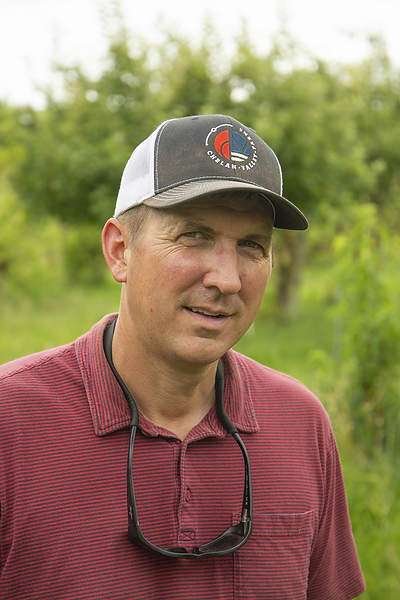
Finances still needed shoring up, so Chad returned to full-time work at Syngenta, representing the company’s line of agricultural biologicals to large-scale growers up and down the West Coast. To her winemaker title, Jeana added farm general manager.
Heavy wildfire smoke in early August kept almost all of their customers away for a week or so.
Most orchardists around Lake Chelan own small parcels and, like their winery neighbors, are looking for ways to capitalize on tourism.
“We’re in the same boat,” said Jim Koenig, a neighboring apple grower nearing retirement.
About a decade ago, when the winery craze was still in its crescendo, Koenig and his daughters started a hard cider company named Rootwood Cider Co. They set aside about 5 of their 60 acres for cider varieties and sell the cider through a club and at their own fruit stand.
Koenig still grows most of his apples wholesale for Manson Growers and sees the same depressed returns afflicting the whole industry. Side hustles just add stress, even when they succeed.
“It’s a lot more work,” he said. “It’s no less work in the orchards. It’s just you’ve added another whole sideline to it.”
Mike Steele, executive director of the Lake Chelan Chamber of Commerce, believes in the Steiners’ path.
Their farm is attractive, but not perfect or fake. The couple knows farming and shares the realities with their visitors during tractor rides or on their blog.
“I took it for granted growing up in it,” said Steele, raised as the fifth-generation on an orchard in the same neighborhood where the Steiners farm. His parents both worked second jobs to fund their “farming habit,” he said.
Tourism isn’t replacing agriculture in Lake Chelan, said Steele, also a state representative for Washington’s 12th District. Both have been a part of the region’s identity for more than a century.
Agritourism is becoming big business, said Bob Ricci of the NW Agritourism Association and owner of Bob’s Corn and Pumpkin Farm in Snohomish County. His family heritage is in dairy farming. He sold all the cows in 2001 to start a pumpkin patch and corn maze. He likes to joke that he makes way more money letting tourists walk on his land than he ever did growing food on his land.
“It’s a sad reality, but we’ve embraced it,” he said.
Next year he will host a tour for hundreds of like-minded growers with the North American Farmers Direct Marketing Association. The group’s membership has more than doubled in the past 15 years, while agritourism now attracts investment from wealthy individuals and groups outside of agriculture. They often create venues that feel more theme park, less farm, he said.
Those attractions make money, but they don’t tell the real story of farming. “You can spot those kind of farms from a mile away,” he said.
A decade in, the Steiners remain optimistic their farming experiment will work financially and ecologically, partly because they believe demand will continue and partly because they continue to adjust their attitudes.
For example, Chad started with the goal to optimize profitability in every corner. Now, he realizes they don’t need maximum yields from their berry patch, just enough to make the U-pickers smile.
Jeana has also adjusted her view of the business, which represents more than just work and income.
“It’s not like a job, it’s really work-life integration,” Jeana said. “It’s really a way of life.” •