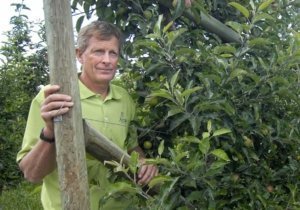




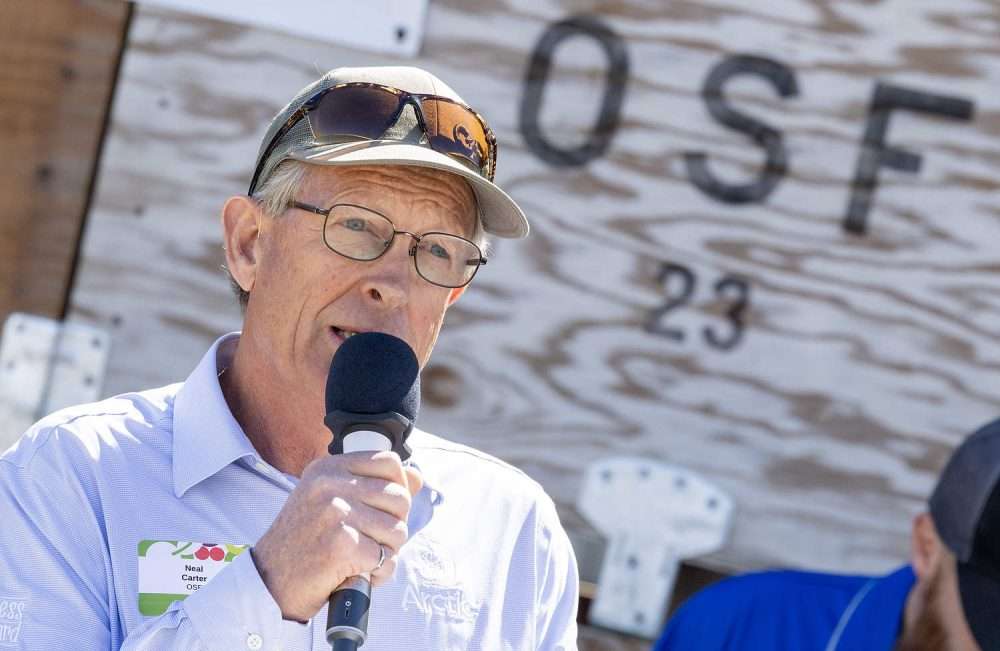
Okanagan Specialty Fruits president Neal Carter has bought back the genetic engineering company he and his wife, Louisa, founded in 1996 to develop nonbrowning apples.
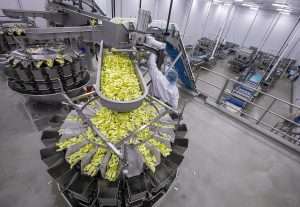
Carter sold the Summerland, British Columbia-based company to a biotech firm in 2015, as the first Arctic apples were approved for sale in the U.S. and Canada. It operated as a subsidiary company for years, changing hands again in 2020. Over those years, the company has grown to include 1,250 acres of orchards and a processing facility in Central Washington, along with a research and development team based in Saskatchewan, Canada. The company announced the new change in ownership in June.
“It’s exciting and humbling to regain ownership of OSF on this momentous anniversary,” said Carter in a news release. “We see the acquisition as a chance to plot a course that maximizes our experience and the genetic advances of recent years while opening opportunities for significant new investment and crop development partnerships.”
Today, Okanagan Specialty Fruits markets four nonbrowning varieties, Arctic Golden, Arctic Granny, Arctic Fuji and Arctic Gala, which were developed using genetic engineering to turn off the gene responsible for producing polyphenol oxidase, the compound that causes fruit to brown after slicing. Two more varieties, Arctic Honey and Arctic Pink, are in the regulatory pipeline, according to the release.
Carter is now exploring how modern gene-editing tools could be applied to the challenges of orchard production systems, such as how modifying tree architecture could reduce labor needs and help to design more mechanization-friendly orchards.
“Through innovation and genetics, we can develop the products that will support the financial viability of growers while meeting consumer needs and addressing the challenges associated with climate change,” Carter said. •