




Growers in cool-climate regions such as Michigan and New York have managed to successfully grow Vitis vinifera grapes adapted to the more temperate climates of the Mediterranean and California, but the viticultural management techniques they learned from those regions might be doing more harm than good to the vines in the long run.
Cool-climate regions, with their irregular rainfall and frost-prone springs, require management techniques based more on tracking vine growth than sticking to static timelines, said Michigan State University viticulture professor Paolo Sabbatini.
Sabbatini spoke during a grape educational session at the Great Lakes Fruit, Vegetable and Farm Market EXPO in December, where the main topic was managing vineyards in cool-climate regions.
Hans Walter-Peterson, viticulture extension specialist with Cornell University’s Finger Lakes Grape Program, set the stage by defining a cool-climate viticultural region: low temperatures, a relatively short growing season and high levels of humidity and precipitation. That would include Upstate New York and Michigan, where diseases such as downy mildew, botrytis and black rot tend to thrive.
“We’re growing grapes on the edge,” Walter-Peterson said, especially Vitis vinifera varieties, which are suited for warmer and drier climates.
Effective canopy management is crucial in cool-climate regions. Grapevines need sunlight and air to improve vine growth and fruit quality, as well as to stay dry and inhibit disease.
“Air and sunlight do some of the disease work for us by reducing the need for multiple applications,” he said.
Open canopies also allow for better spray penetration.
“I don’t care how well you calibrate it or how good the nozzles are, even the best sprayer can’t push material through leaves,” Walter-Peterson said. “You need access to some kind of airway for materials to get to the clusters.”
And the less fungicide you spray, the lower the chances of developing fungicide resistance, he said.
In the Finger Lakes grape-growing region, more growers are adopting mechanical leaf pullers and leaf blowers to aid canopy management. They also use mechanical hedgers. The higher up they hedge the vines, the more it keeps the lateral shoots from shading the fruit-cluster zone, Walter-Peterson said.
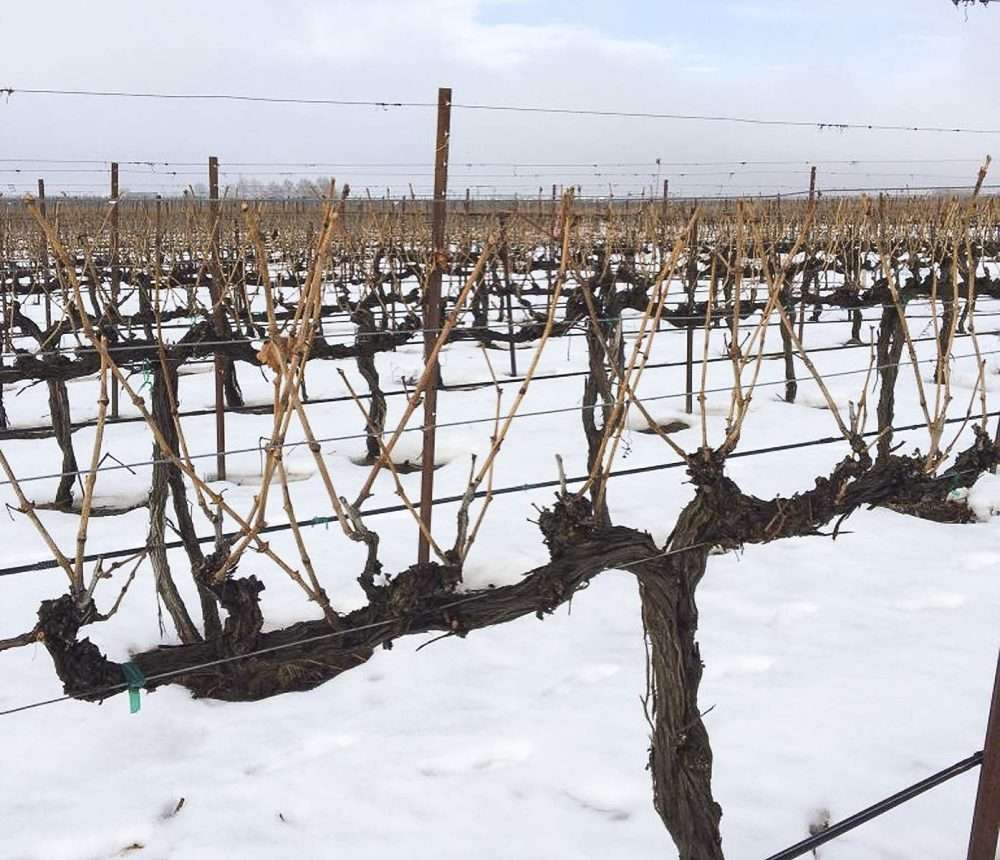
MSU’s Sabbatini discussed the advantages of cane pruning over spur pruning, and he questioned the use of viticultural management techniques and timelines developed in more temperate climates.
Sabbatini’s research into vine stress and phenological timing has shown that over-reliance on imported practices in Michigan can reduce vine winter survival and the capacity for consistent budbreak the following season. But imported practices persist, in part because they’re easier to schedule. Changing them is going to require a culture shift on the part of vineyard managers, he said.
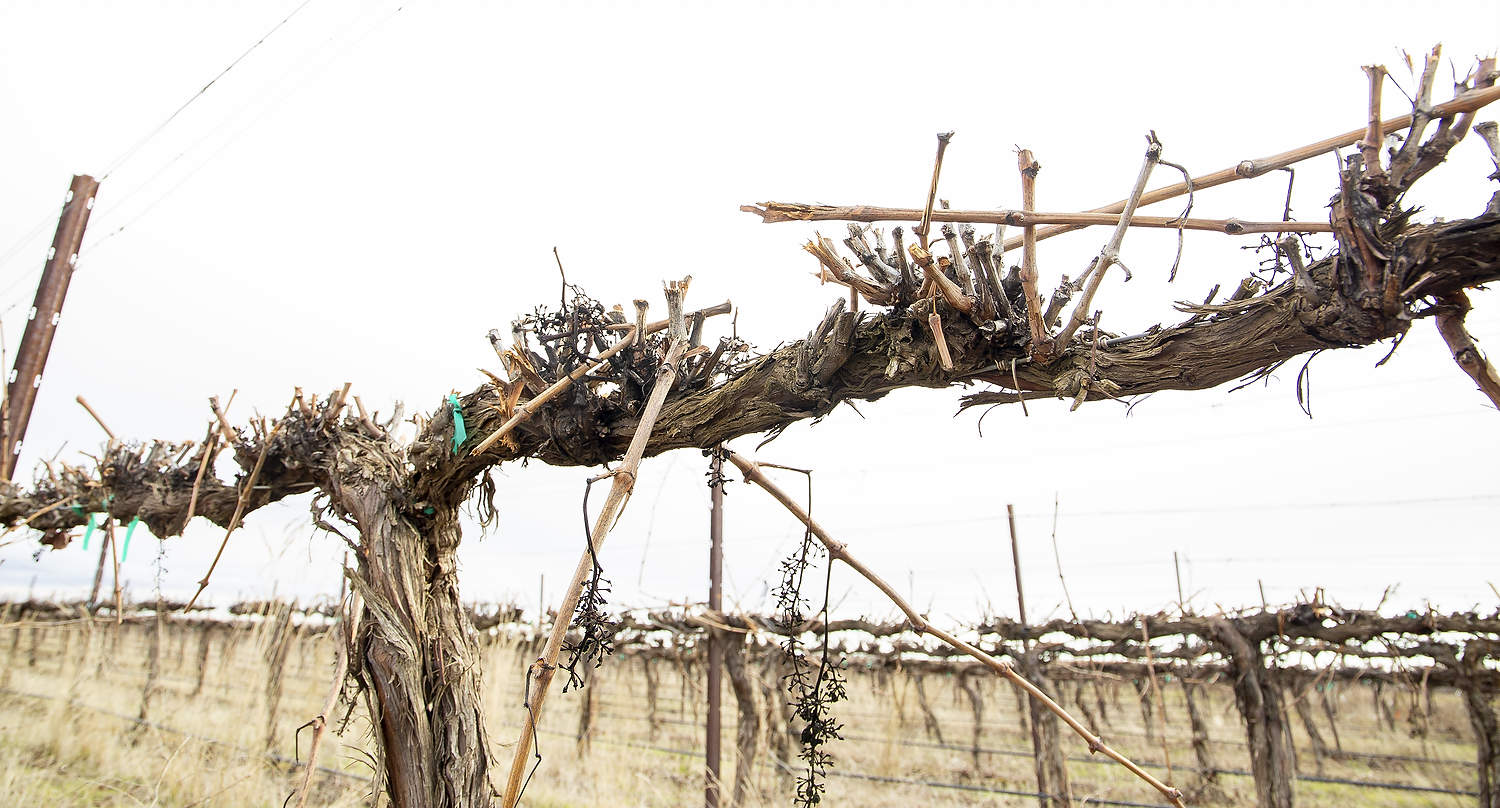
In Michigan, routine winter pruning increasingly relies on large-diameter cuts, often using loppers and saws, as growers grapple with excessively vigorous vineyards planted at lower densities. Possibly efficient in the short term, such cuts also remove substantial portions of permanent wood where carbohydrate reserves are stored. Those reserves are critical for early spring growth, budbreak and cold acclimation, he said.
The repeated use of large cuts initiates a decline cycle. The wounds serve as gateways for trunk pathogens, which cause vine deterioration. Over time, the practice weakens the vine’s regenerative capacity, accelerating canopy aging and resulting in widespread decline, especially in Michigan’s cold and wet springs, he said.
Sabbatini said the search for a chemical solution to this problem is in vain. The real solution lies in adopting a more accurate and targeted pruning strategy.
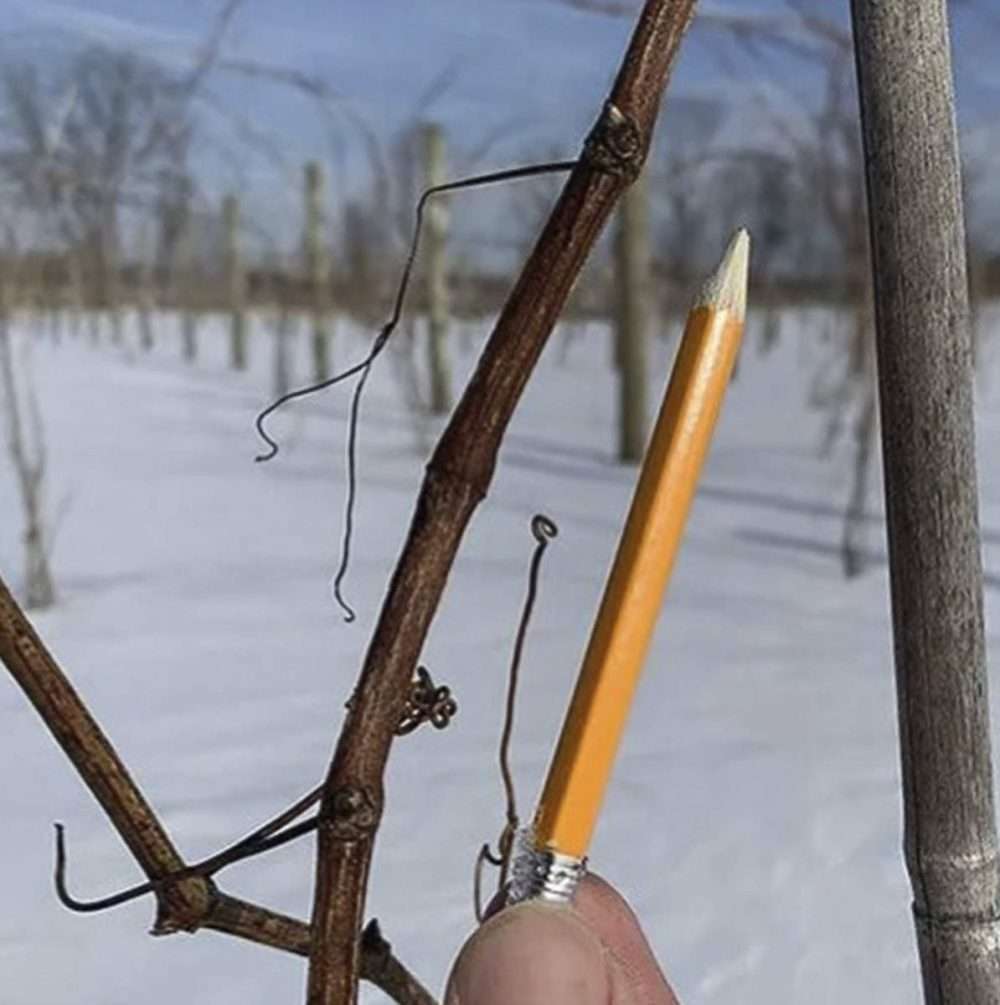
He advocated cane pruning rather than spur pruning, noting that cane pruning preserves more buds and might promote improved vine recovery following cold injury. He also recommended a contingency cane-pruning approach, which initially retains additional canes as a safeguard. Growers then reassess bud viability after bud swell in spring, remove dead or damaged wood and retain the best-positioned, most viable canes for the final pruning selection. •