

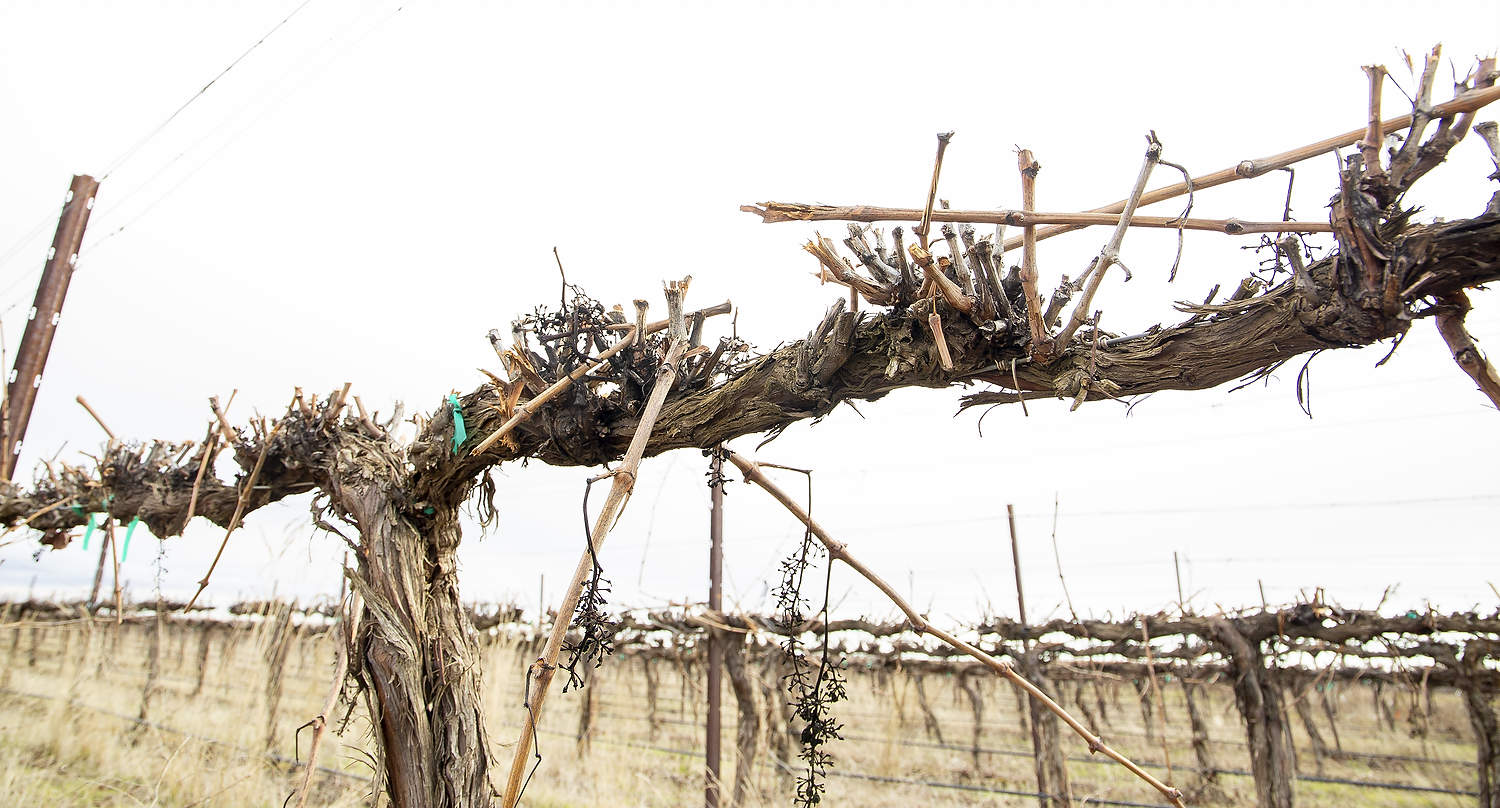


A vine’s water potential can also have an effect on berry composition and aroma compounds, says Dr. Andrew Reynolds of Brock University in Ontario, Canada. In his research, Reynolds used Global Positioning and Geographical Information Systems to map the distribution of leaf water potential (measured in – bars) within nonirrigated vineyards in the Niagara, Ontario, area. Reynolds and his colleagues found that sections of the Riesling vineyards with the lowest water potential had the highest free and potentially volatile terpenes and the wines were consistently different than the other vineyards. Generally, the high water potential zones were more acidic and […]
Already part of our community? Log in here
Our premium content is now only available to members.
Join our community and receive access to our exclusive stories, photos, graphics and videos, and support our efforts to ensure growers have the information they need for success.