



California and Washington have streamlined the inspection process Northwest packers faced when shipping cherries south.
Eliminating the postpack “California crush” from a series of phytosanitary tests will save time, money and fruit, packers said.
“It was always just a pain for everybody to pull on the line,” said Jaritt Hays, operations manager for Monson Fruit Co. in Washington’s Yakima Valley.
The inspections are California’s attempt to protect its shoppers and fruit industry from the western cherry fruit fly, for which the state quarantines.
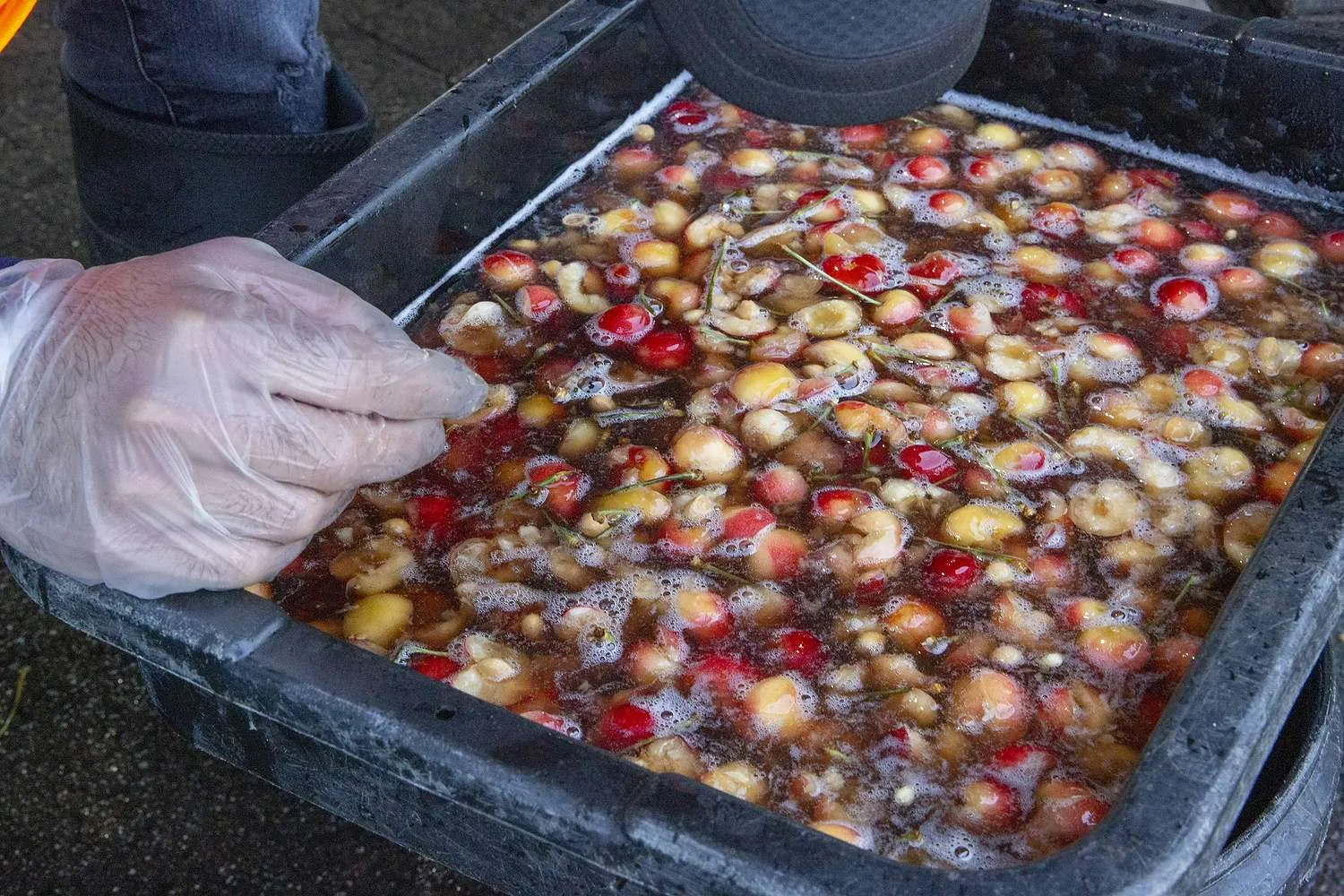
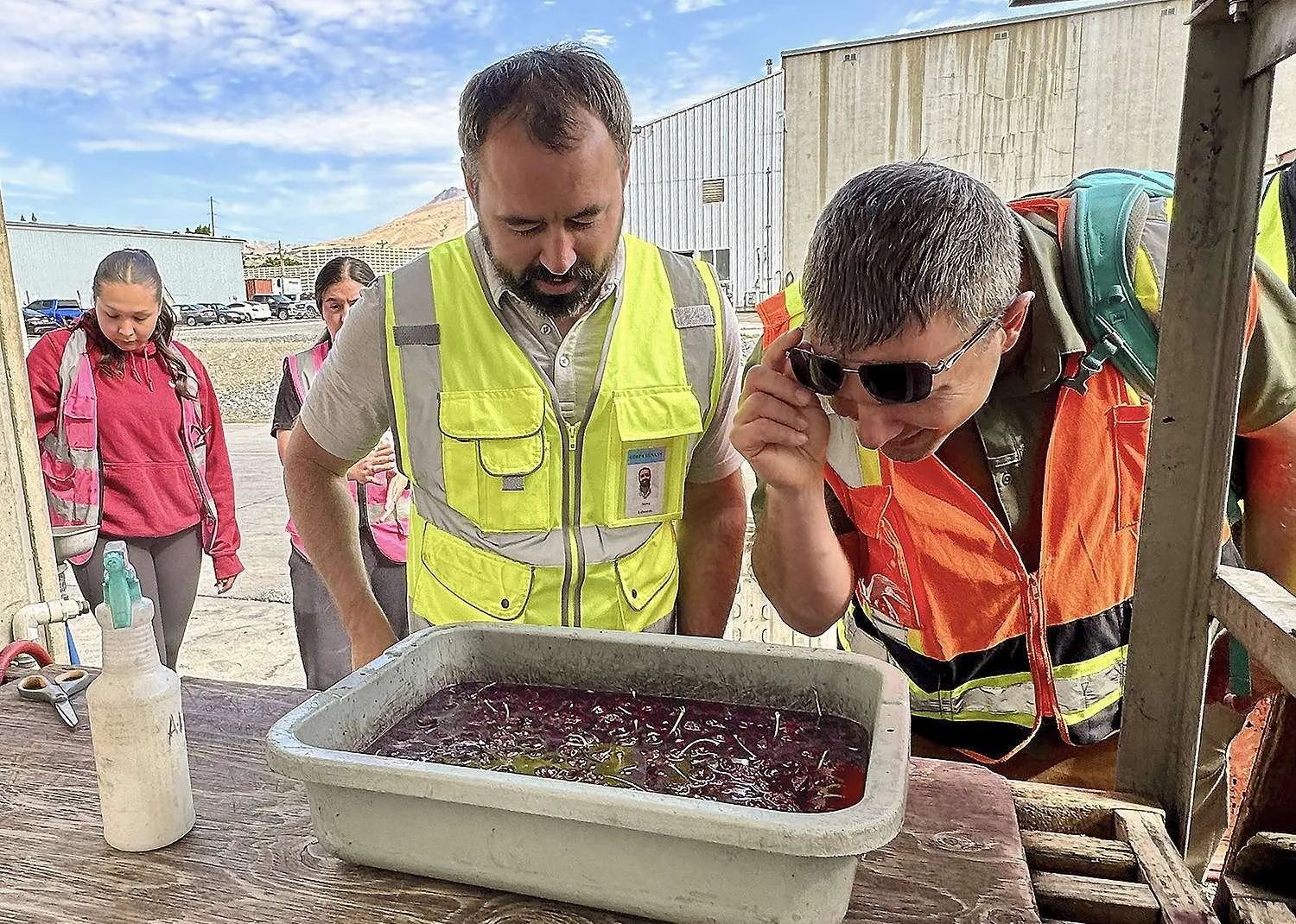
Washington facilities commonly sample with a float test, using a warm-water and sugar solution over masticated cherries to see if any larvae float to the top. California ag officials then sample shipments at their state borders, for each truck entering the state.
Up until this year, Washington packers sending cherries to a California buyer were also required to repeat the float test on cherries already in a box, before loading. Some foreign countries require a similar step, prompting jokes calling California an export market.
Washington hasn’t had much western cherry fruit fly pressure for decades, said Robert Newell, interim assistant director of the Washington State Department of Agriculture’s commodity inspection division.
That second round of warehouse samples almost never tested positive, he said. Between 2022 and 2025, as far back as statistics are reliable, inspectors found exactly one western cherry fruit fly larvae in samples bound for California or beyond.
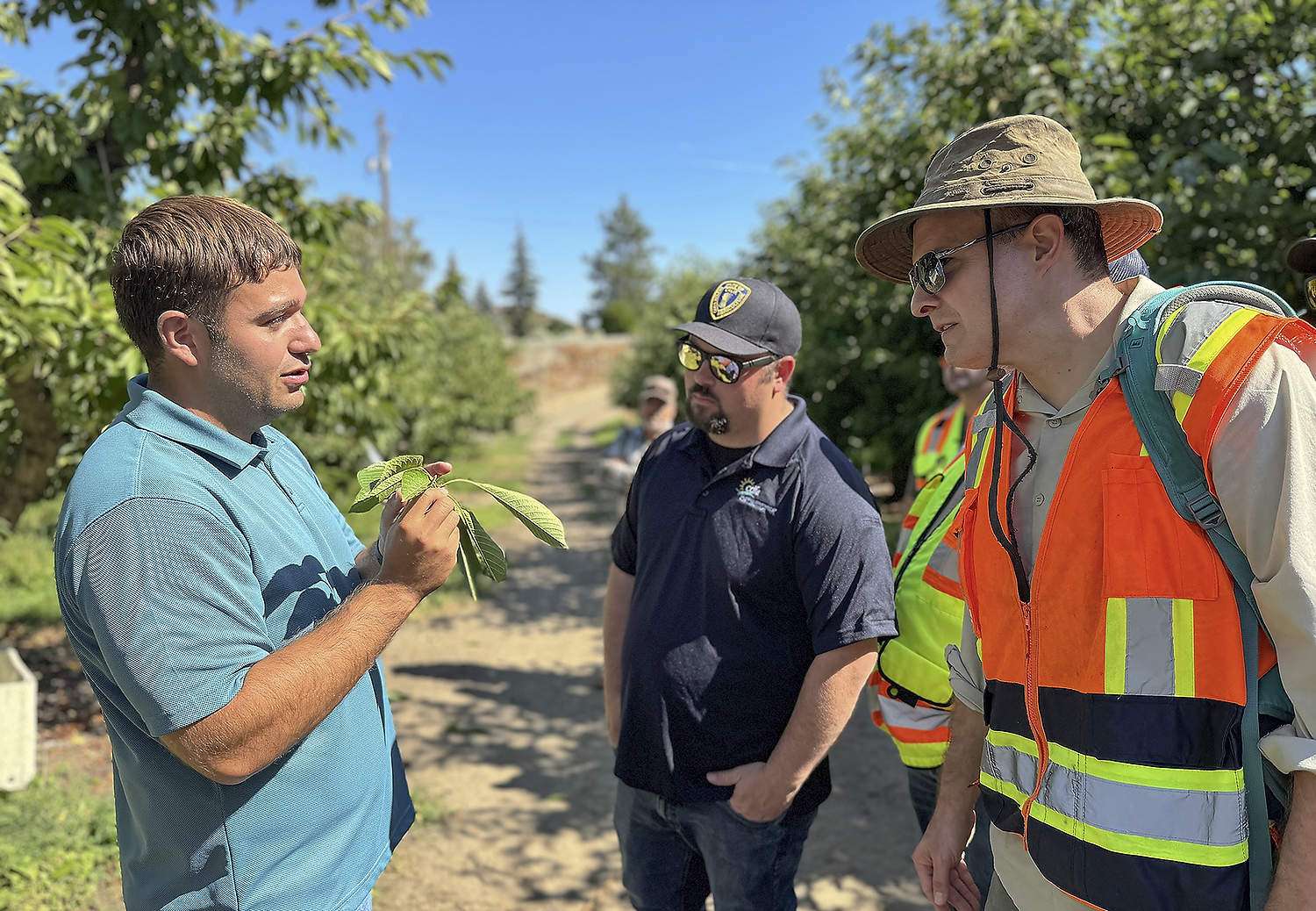
So, Washington regulators asked their California colleagues to consider dropping it. Convinced by the evidence and their annual tours of Washington orchards and facilities, California officials agreed.
“They’ve proven to be unnecessary,” said Jeff Simons, branch chief of the California Department of Food and Agriculture border protection stations.
It’s too early to measure the effect, Simons said. The state has border station sample result data from this year, but the Northwest had a smaller than usual crop.
The two states had been discussing the change for a couple of years. The new rule took effect May 29.
“It was something the industry really wanted,” Newell said.
Packers told him the change will cut by about half the volume of cherries discarded by the destructive tests and allow warehouses to send trucks as soon as they are full, instead of waiting for an entire run to pass inspection, he said.
Most cherries grown in the five states under the Northwest Cherries banner ship from Washington warehouses, but California officials have replicated the streamlined process for Oregon, Idaho, Montana and Utah.
In exchange for dropping the secondary test, California has increased the volume of fruit sampled upon delivery from the orchard to the warehouse, to give warehouses the same small mathematical odds of a larvae slipping through.
Nothing is perfect, of course. California border samples still occasionally test positive for a variety of quarantine pests.
Washington packers send an average of about 2.6 million 20-pound box equivalents of cherries to or through California, with few findings given the high volume. In the past 10 years, inspectors have found the presence of any pests just 295 times at border stops in cherry shipments from Washington.
Effect on warehouses
The changes are making life easier for warehouse managers, said Hays, who steers operations for two Monson Fruit packing sheds.
He used to hire two full-time employees per shift to pull cherry boxes from the line, open them and remove two to five individual cherries to crush and float — not to mention make sure a WSDA inspector was available to sign off on the whole process.
Stemilt Growers had the same arrangement. One full-time employee would pull cherries from boxes while another did nothing but crush fruit all shift, said Don Reeves, production director for the Wenatchee company.
In cherry shipping, hours make a big difference. The streamlined inspection process has made everything smoother and quicker since the Saturday in May when he first learned about it, Reeves said.
“We got it going that day and we like it,” he said. “They did something right.” •