
age/ 26
hometown/ Parkdale, Oregon
crops/ pears and cherries
role/ field representative
business/ Mount Adams Fruit
family background/ Natasha graduated with a plant sciences degree from Washington State University. She is the daughter of Sarah and Chad Muenzer
How did you get your start in agriculture?

I am a field representative for Mount Adams Fruit, and my father-in-law grows pears and cherries. My dad works on tractors and wind machines for a lot of orchardists around the valley.
I started out in 4-H and FFA, showing chickens, rabbits, cattle to sheep, pigs and goats and whatever else. So, I’ve kind of grown up in that my entire life.
As life progressed, we moved to Parkdale, and we had about 100-plus acres of hay, so I was changing a lot of irrigation pipe — not so fun. It gave me a little bit of summer money.
What were your first ag jobs off the farm?
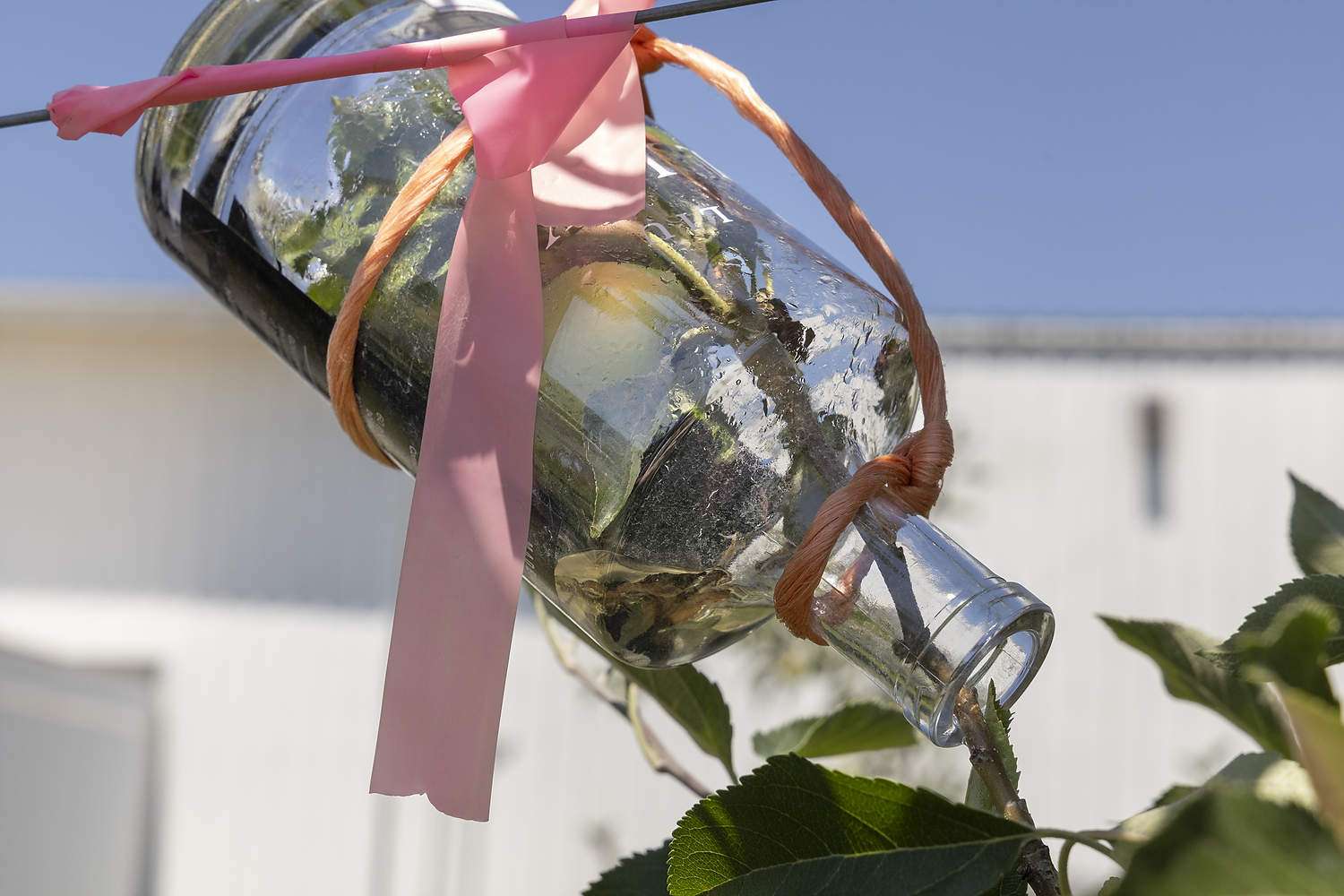
During high school I worked summer internships like checking codling moth traps for pears. It’s basically grunt work, but it’s really important. You’re checking to see how many codling moths are in a certain trap.
Depending on the acreage and how many codling moths you catch, it will inform growers when to spray. Even though it was a time-consuming job that nobody else really wanted to do, it was good work.
Then I moved from codling moth trapper to learning how to scout and then chemical consulting. I went to school at WSU and chose to go for fruit and vegetable management, which is also under the same thing as integrated plant sciences, and I minored in horticulture there. After that I applied to several different packing houses, and I started with Mount Adams in 2022.
Why did you pursue a plant sciences degree?
I just wanted to come back to Hood River, and I knew that there wasn’t really a huge agriculture-based thing with cattle or goats or sheep or livestock here — unless you wanted to be a vet, and I did not want to go to school for that long.
So, I instead went into plant sciences and found it quite fascinating, and I decided that’s what I was going to stick with. I graduated in three-and-a-half years so I could come back and get a job at the beginning of winter and learn from there.
What do you enjoy most in your work?
My favorite part of this job is working with all my growers. They’re all different and come from different backgrounds, or they’ve been in this for generations.
A lot of them have a lot of good information for me to be able to learn from, and one of the best things that I’ve learned is that there is no normal in the industry of growing cherries, pears or apples.
It seems every year something ends up going astray, or it’s really good, or it’s not really good. You have a random rain or a random snow, like a couple of years ago when we had snow in April. I mean, you can’t predict that. That’s just something that happens.
What’s important for other young growers to know if they start as a consultant?
One of the most valuable lessons I learned in my first year is that you need to remember that you are working with people’s livelihood.
So, you’re going out there, you’re talking to them about things that could be hard for them to hear, and sometimes people get a little frustrated, and it’s not directed at you. It’s directed at the fact that they’ve worked their butts off all year long to grow impeccable quality fruit.
This is just a hard industry to work in, and I know that a lot of people listening to this probably understand exactly what I’m trying to say. I think that’s the most valuable lesson.
What do you see happening in your area?
What excites me is knowing that there are a lot of young growers coming into this industry who have a lot of good ideas to improve the way we farm.
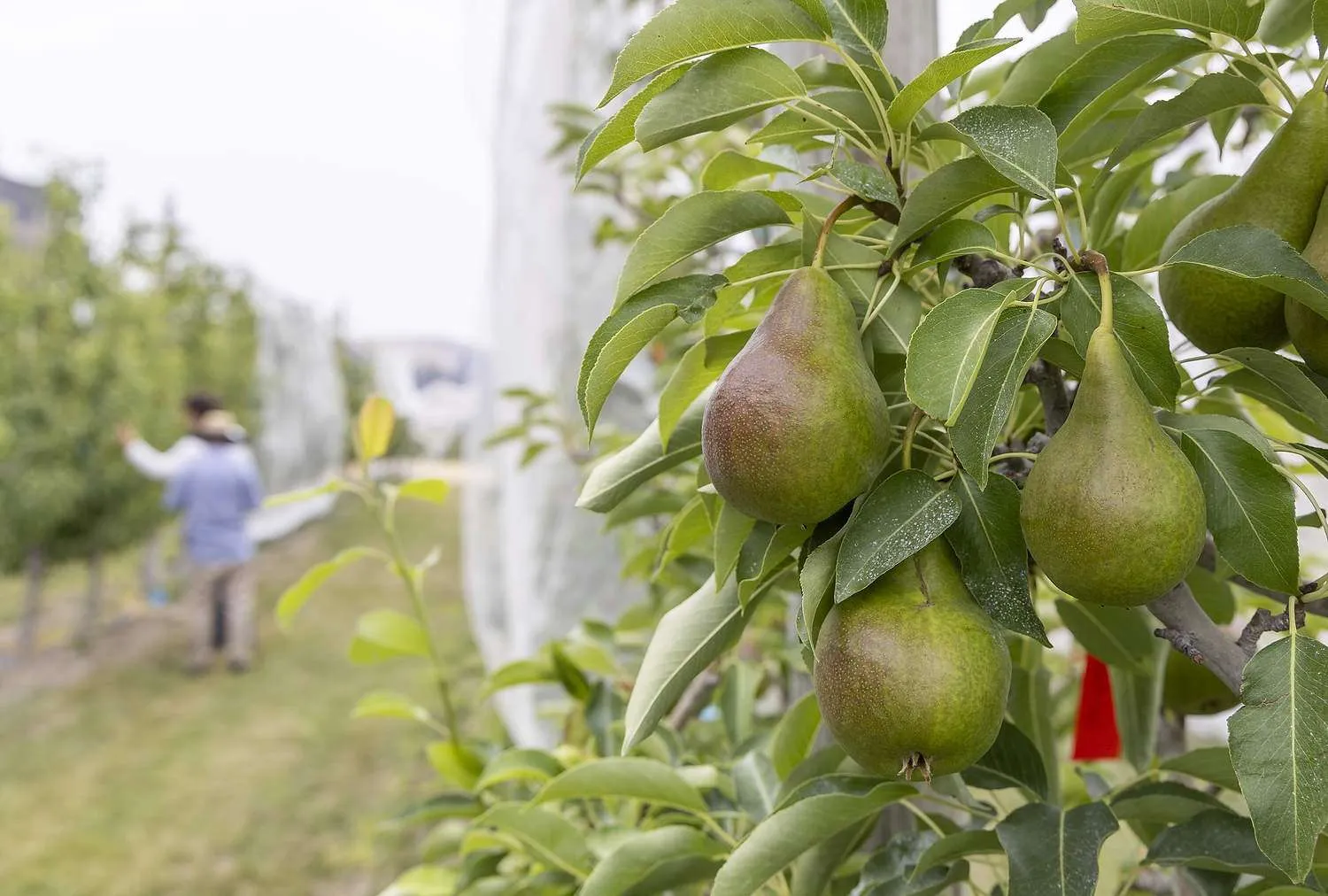
These baby pears that are being planted, I know they are going to grow over the next seven, eight years, and then I get to watch them start their crops. It starts small, then all of a sudden they’ll be producing several hundreds of bins, and you’ll know that you did that.
There’s some joy in knowing that you grew good pears. I’m not quite there yet, but I’m hoping to be working side by side with my father-in-law in this industry and learning from him, and that excites me, too. There’s a family function, and a family tie to that.
What other advice do you have for other young growers?
My biggest advice: Make a lot of connections and reach out to people. Don’t be afraid to ask a lot of questions. You may think you’re being annoying, and people are going, ‘OK, this person’s asking me a lot of questions,’ but most people are interested to see that you want to learn more about the industry.
I know that one of my co-workers, I ask him a lot of questions, and he finds a lot of joy knowing that I want to grow my knowledge. So, the two biggest things: Make connections and ask lots of questions.