




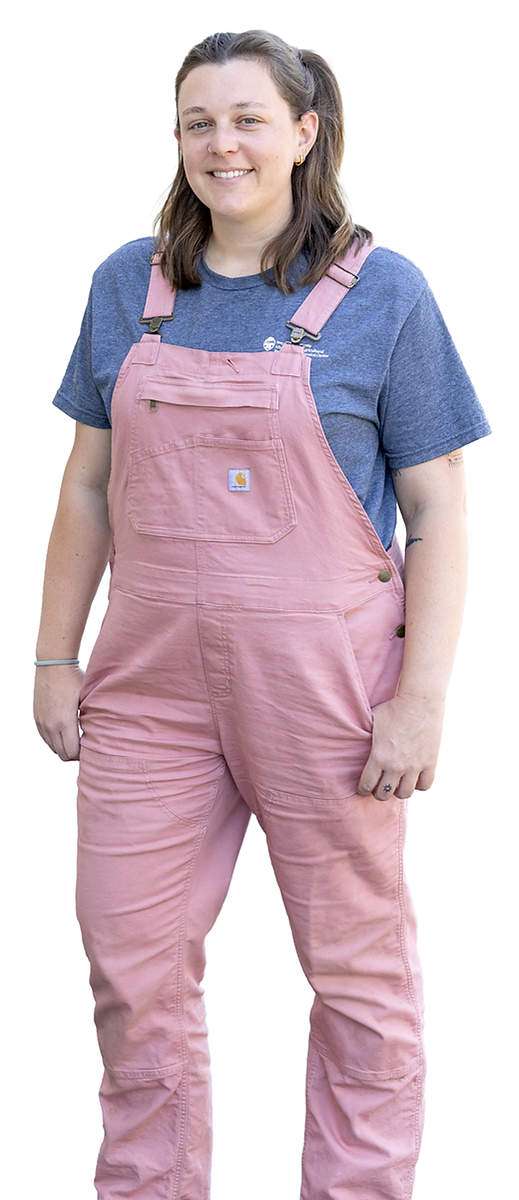
age/ 31
hometown/ Parkland, Florida
crops/ pears and cherries
role/ graduate research assistant
business/ Oregon State University, Mid-Columbia Agricultural Research and Extension Center
family background/ Claire obtained a bachelor’s degree in plant science from the University of Florida and is now pursuing her graduate degree at Oregon State University. She is the daughter of Catherine and Douglas Pierce.
What was your path into agriculture?
I took a break between high school and college and went to college a little bit later in life. I followed my passion for growing house plants and decided to get a degree in plant science. I learned a lot about horticulture, not realizing how much agriculture and horticulture went hand-in-hand while working in a greenhouse during my undergrad.
I had the opportunity to do an undergraduate research project and present that research at a symposium at the University of Florida. And throughout that process, I realized how much I enjoyed research. I really wanted to further my education and get more experience on the research side of things.
What drew you into working with tree fruit?
My undergrad was really focused on ornamental horticulture, plant nutrition, and looking at combating saltwater intrusion. I learned a lot about how plants act and interact with each other, their environment, and different ways to help the plants grow to their best potential.
That foundational information can be transferred to a number of different plants or crops. I contacted several professors at a lot of different universities looking for a position, and I’m very lucky that I found Kelsey Galimba at Oregon State University. She’s been a great advisor, and I’ve learned a lot under her. But the process of finding a place was tough.
What lessons did you learn in that process?
Your master’s degree is a learning experience. You’re learning how to be a scientist. You’re learning how to do research in the agriculture world, and it’s not necessarily vital that you focus on your favorite crop or your favorite fruit or your favorite plant. At the end of the day, they’re all plants; they all have similar properties, and it’s more about getting that experience. Look at it as if you’re dipping your toe in the water, learning about agriculture and getting research experience.
What is your focus?
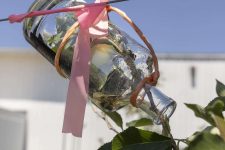
I am in my second year into my master’s program, and my thesis is focusing on the rooting response of pear rootstocks in tissue culture. We’re also trying to develop a system in which we can phenotype and characterize these different rootstocks as they’re growing, so that we can look for any key traits or key characteristics that could be useful for growing these rootstocks in the future. We also need to help educate growers that these rootstocks are available. Rootstocks in the pear industry are pretty limited at the moment, so it’s been fun getting to see both the research and grower perspective on them.
I get to go out in the field and see how these trees are growing and look at them on that level. And then I’m also looking at them at the tissue culture level where they’re brand new. We’re learning how they respond to different rooting hormones, and it’s kind of like the first baby-step in growing a tree in the orchard. Unfortunately, I won’t be in my program long enough to see these trees grow up and be planted in an orchard, because that takes several years. But it is exciting to be able to help future generations of growers find helpful rootstocks and new systems to help their orchards grow.
What advice would you offer to other budding researchers?
I didn’t have experience in this field, so, not only am I acclimating to moving 3,000 miles away from home, but I’m also learning about a totally new crop. The community and the farm culture here have been so kind and welcoming. There are a lot of people that have years of experience, and they’re eager to teach new people. So, if you want to learn and are willing to get your hands dirty every once in a while, they’re ready to teach and help you.